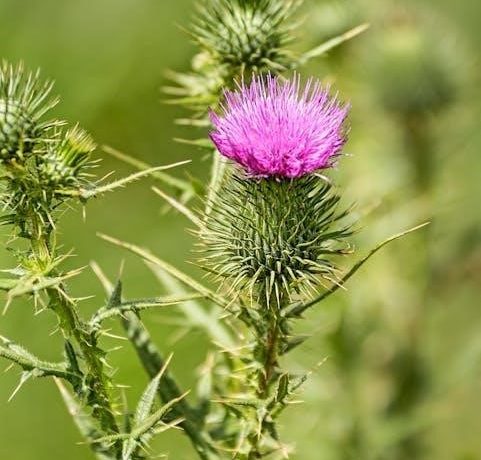
Embarking on a journey into foraging unlocks a wealth of natural foods! Detailed field guides, boasting drawings and photos,
reveal over 370 edible plants alongside their poisonous counterparts.
Understanding plant identification is crucial, as many safe options exist compared to truly toxic ones, often displaying warning signs like bitterness or unusual appearances.
Why Forage? Benefits and Considerations
Foraging connects us to nature, offering fresh, nutritious foods often richer in vitamins than cultivated varieties. It’s a sustainable practice, reducing reliance on commercial agriculture and promoting biodiversity. However, responsible foraging demands respect for the environment.
Careful plant identification, aided by comprehensive field guides, is paramount. Knowing the difference between edible plants and their poisonous look-alikes—with over 370 edible species and 37 potentially harmful ones—is vital for safety.
Consider ethical harvesting; never take more than you need, and ensure plant populations can regenerate. Understanding habitat descriptions and seasonal availability, as detailed in foraging resources, enhances success and sustainability.
Essential Foraging Safety Rules
Positive identification is non-negotiable; utilize multiple field guide features – drawings, photos, habitat details – to confirm a plant’s edibility. Most poisonous plants offer early warnings: bitterness, burning sensations, or unusual appearances. Heed these signals!
Start with “safe bet” plants, easily recognizable with few look-alikes, as illustrated in beginner diagrams. Avoid consuming anything you’re unsure of.
Be aware of contamination; avoid foraging near roadsides or areas potentially treated with pesticides. Thoroughly wash all foraged items before consumption. Respect private property and obtain permission when necessary.
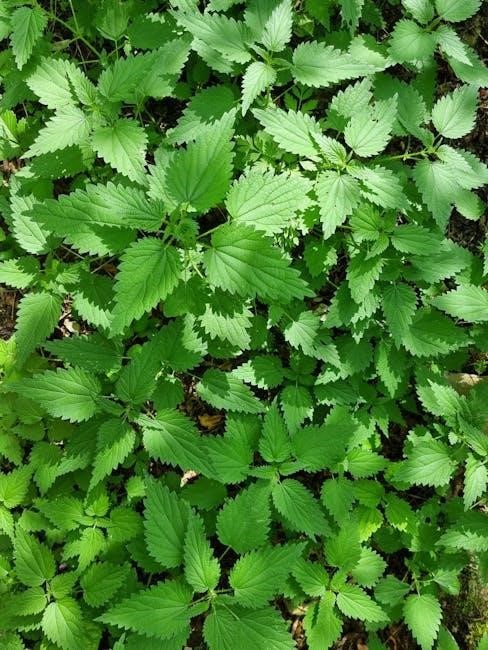
Identifying Common Edible Plants
Detailed field guides are essential for accurate plant recognition, showcasing key characteristics and potential look-alikes for safe foraging practices.
Dandelions (Taraxacum officinale)
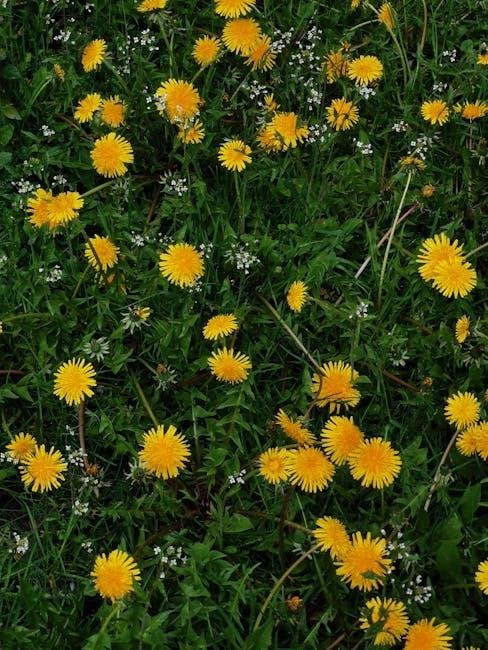
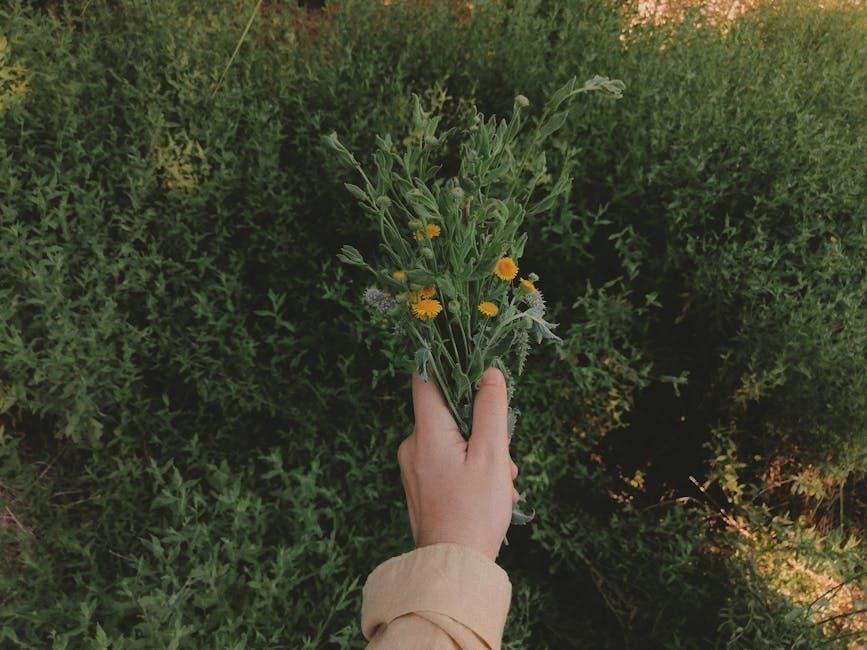
Dandelions are remarkably easy to identify, making them a perfect “safe bet” plant for beginner foragers. These cheerful yellow flowers grow in a variety of habitats, from lawns to meadows.
Key identification features include deeply toothed leaves forming a rosette, and hollow stems that exude a milky sap when broken. The flower head transforms into a puffball of seeds, easily dispersed by the wind.
Remember to positively identify before consumption, utilizing reliable field guides to confirm you’ve found true dandelion and not a similar-looking, potentially harmful plant.
Identification Characteristics of Dandelions
Dandelions exhibit distinct traits aiding in positive identification. Look for basal leaf rosettes – leaves emerging directly from the root. These leaves are deeply lobed, resembling a lion’s tooth (hence the name Taraxacum officinale).
Stems are singular, hollow, and unbranched, containing a milky white sap. The iconic flower head consists of numerous ray florets, turning into a spherical seed head.
Carefully observe these features, comparing them to images in a reliable field guide. Confirm the presence of hollow stems and milky sap to differentiate dandelions from look-alikes.
Plantain (Plantago major/lanceolata)
Plantain, a common yet often overlooked edible, presents in two primary forms: broadleaf (Plantago major) and narrowleaf (Plantago lanceolata). Broadleaf plantain features wide, oval leaves with prominent parallel veins. Narrowleaf, as the name suggests, displays long, slender leaves.
Both varieties share key characteristics – a central flower spike emerging from the leaf base and small, inconspicuous flowers. Leaves are typically found in rosette formations.
Utilize a field guide to confirm identification, noting leaf shape and vein patterns for accurate recognition.
Distinguishing Plantain Varieties
Differentiating between broadleaf (Plantago major) and narrowleaf (Plantago lanceolata) plantain hinges on leaf morphology. Broadleaf plantain exhibits wide, oval-shaped leaves, typically 2-7 inches long, with prominent parallel veins. These leaves appear shorter and broader overall.
Narrowleaf plantain, conversely, showcases long, slender leaves, resembling grass blades, reaching up to 6 inches in length. The veins are still parallel, but less conspicuous. Observing the leaf shape is the quickest method for field identification.
Consult a field guide for visual comparisons to solidify accurate recognition.
Cattails (Typha spp.)
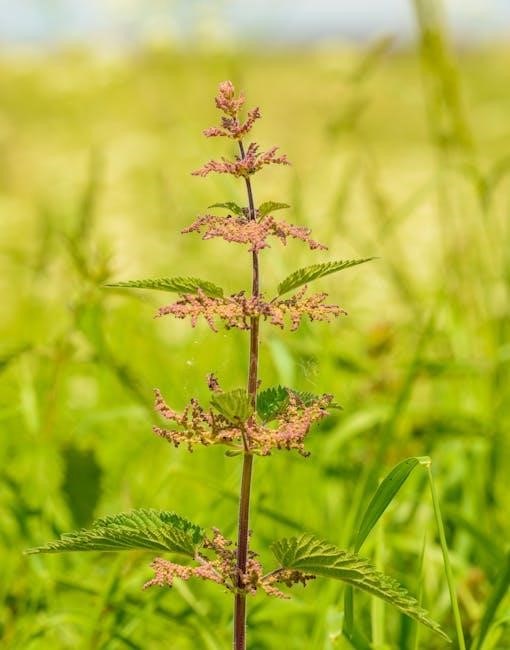
Cattails are easily recognizable wetland plants, characterized by their distinctive brown, cylindrical flower spikes. These spikes emerge from tall, reed-like stalks, commonly found in marshes and along pond edges. They are a prolific resource for foragers.
Multiple parts of the cattail are edible, including the rhizomes (roots), young shoots, and pollen. Rhizomes require extensive processing, while shoots are best when harvested young and tender. Pollen can be used as a flour substitute.
Proper identification is key, ensuring you are harvesting from a safe, unpolluted area.
Harvesting and Preparing Cattails
Harvesting cattails requires mindful practice. Young shoots are best in spring, peeled and eaten raw or cooked. Rhizomes, a substantial food source, are dug in fall or winter, demanding thorough washing to remove starch and fibers. This process is labor-intensive.
Pollen collection occurs when the flower spikes are mature, shaking them into a bag. It can be used immediately or dried for later use. Proper preparation is vital; rhizomes need extensive cleaning and cooking.
Always harvest sustainably, leaving enough plants to regenerate.
Wild Garlic/Onion (Allium spp.)
Wild garlic and onion offer a flavorful addition to foraged meals, but careful identification is paramount. Look for a strong onion or garlic scent when crushed – a key distinguishing feature. Leaves emerge from a single point, unlike similar-looking plants.
Bulbs and greens are edible, offering a potent flavor. However, be cautious of look-alikes. True wild Allium species lack the hollow leaves found in some poisonous varieties.
Responsible harvesting ensures the plant’s continued growth; take only what you need.
Identifying True Wild Garlic/Onion
Distinguishing true wild garlic/onion (Allium spp.) requires keen observation. A definitive test involves crushing leaves – a strong garlic or onion aroma confirms its identity. Examine leaf shape; true Alliums typically have flat, solid leaves, not hollow ones.
Beware of look-alikes like Death Camas, which possesses hollow leaves and lacks the characteristic scent. Observe how leaves emerge from the bulb; true Alliums sprout from a single point.
When in doubt, leave it out! Accurate identification is crucial for safe foraging.
Berries and Fruits
Wild berries and fruits offer delightful foraging rewards! Guides detail North American varieties, showcasing habitat, appearance, and crucial distinctions between edible and inedible species.
Wild Strawberries (Fragaria virginiana)
Delicate and flavorful, wild strawberries are a cherished find for foragers. These small berries, unlike their cultivated cousins, possess an intensely sweet taste. Identifying them requires attention to detail; look for low-growing plants with three-part leaves and white flowers.
Habitat is key: wild strawberries thrive in open woodlands, meadows, and along roadsides. Be cautious of look-alikes! While generally safe to identify, understanding potential confusion with similar plants is vital. A good field guide will illustrate these differences clearly, ensuring a safe and rewarding foraging experience.
Habitat and Look-Alikes of Wild Strawberries
Wild strawberries flourish in diverse environments – open woodlands, sunny meadows, and even disturbed areas like roadsides. They prefer well-drained soil and plenty of sunlight. Knowing their preferred habitats aids in successful foraging.
Potential confusion exists with mock strawberry (Duchesnea indica), which has yellow flowers and less flavorful fruit. Careful observation of flower color and fruit shape is crucial. A reliable field guide provides detailed illustrations to differentiate between these species, preventing accidental consumption of less palatable alternatives.
Blackberries & Raspberries (Rubus spp.)
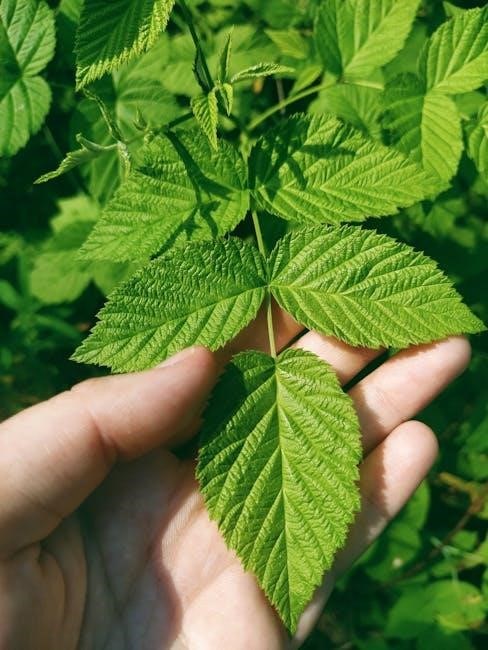
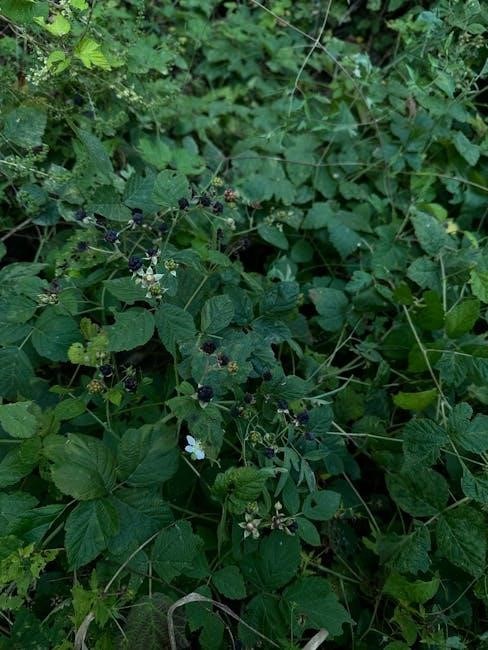
The Rubus genus encompasses a wide variety of blackberries and raspberries, found in fields, forests, and along roadsides. Identifying specific species can be challenging due to hybridization. Look for thorny or thornless canes, and observe the fruit’s structure – raspberries separate from the core, while blackberries do not.
Field guides are essential for distinguishing between edible Rubus species and less desirable varieties. Detailed descriptions of leaf shape, stem characteristics, and fruit color aid in accurate identification, ensuring a safe and rewarding foraging experience.
Identifying Different Rubus Species
Distinguishing Rubus species requires careful observation. Leaflet shape varies – some have three leaflets, others five. Pay attention to the presence and density of prickles on the stems; some are nearly thornless. Fruit color ranges from red to black, and the method of fruit separation from the core is key.
Field guides provide detailed keys, utilizing these characteristics to pinpoint specific species. Hybridization complicates matters, so comparing multiple features is crucial for accurate identification and safe consumption of these delicious berries.
Elderberries (Sambucus canadensis)
Elderberries offer a potent harvest, but caution is paramount. Raw elderberries, along with leaves, stems, and roots, contain compounds that can induce nausea, vomiting, and diarrhea. Proper preparation is essential for safe consumption. Always cook elderberries thoroughly before eating.
Field guides detail the plant’s distinctive features: pinnate leaves, creamy white flower clusters, and dark purple to black berries. Recognizing these characteristics ensures you’re harvesting the correct plant and avoiding potentially harmful look-alikes.
Caution: Raw Elderberries & Preparation
Consuming raw elderberries is strongly discouraged due to the presence of cyanogenic glycosides, which can cause significant gastrointestinal distress. Symptoms include nausea, vomiting, and diarrhea. Thorough cooking breaks down these compounds, rendering the berries safe for consumption.
Preparation methods include boiling, roasting, or making into jams and jellies. Always remove the berries from the stems before cooking. Proper identification, coupled with careful preparation, unlocks the nutritional benefits of these potent berries, ensuring a safe and enjoyable foraging experience.
Greens and Vegetables
Wild greens offer a nutritious bounty! Discover edible options like Lamb’s Quarters and Purslane, providing essential vitamins and minerals, and expanding your foraging palette.
Lamb’s Quarters (Chenopodium album)
Lamb’s Quarters is a remarkably nutritious and common wild edible, often found in disturbed habitats. This plant boasts a high concentration of vitamins A and C, alongside essential minerals like iron and calcium, making it a valuable foraging find.
Recognizable by its diamond-shaped leaves with a powdery, grayish-white coating, especially on the undersides, Lamb’s Quarters thrives in spring and early summer. It resembles spinach and can be used similarly in various culinary applications – salads, cooked greens, or even as a spinach substitute.
Its nutritional profile rivals, and sometimes surpasses, that of cultivated spinach, offering a free and readily available source of vital nutrients for the resourceful forager.
Nutritional Value of Lamb’s Quarters
Lamb’s Quarters stands out as a nutritional powerhouse amongst wild edibles, offering a substantial boost to any diet. It’s exceptionally rich in Vitamin A, crucial for vision and immune function, and Vitamin C, a potent antioxidant protecting against cellular damage.
Beyond vitamins, this plant delivers significant amounts of iron, vital for oxygen transport, and calcium, essential for strong bones and teeth. Its mineral content also includes potassium, magnesium, and phosphorus, contributing to overall health.
Compared to spinach, Lamb’s Quarters often contains higher levels of certain nutrients, making it a remarkably beneficial addition to a forager’s harvest.
Purslane (Portulaca oleracea)
Purslane is a fascinating succulent vegetable, easily identified by its reddish stems and small, fleshy leaves. It thrives in disturbed areas, gardens, and even cracks in pavement, making it a widespread find for foragers.
This plant isn’t just easy to locate; it’s also incredibly versatile in the kitchen. Purslane can be eaten raw in salads, providing a slightly lemony, crisp texture, or cooked like spinach.
Its succulent nature means it retains moisture well, making it a refreshing addition to meals, especially during warmer months. Purslane is a true gift from nature!
Purslane as a Succulent Vegetable
Purslane truly shines as a succulent vegetable, offering a unique texture and flavor profile. Its fleshy leaves and stems are packed with moisture, providing a refreshing crunch when eaten raw in salads.
When cooked, purslane resembles spinach, though it retains a slightly more vibrant color and a subtle lemony tang. This versatility allows for diverse culinary applications, from simple sautéing to inclusion in soups and stews.
Its high water content and nutritional value make it a healthy and hydrating addition to any diet, showcasing nature’s bounty!
Fiddleheads (Various Fern Species)
Fiddleheads represent the young, curled fronds of certain fern species, prized as a seasonal delicacy. However, safe identification is paramount, as consuming incorrectly identified fiddleheads can be dangerous.
Proper cooking is essential; fiddleheads must be thoroughly boiled or steamed to eliminate toxins. Never consume them raw! This process neutralizes compounds that can cause gastrointestinal distress.
Careful research using reliable field guides is crucial before foraging. Knowing which fern species yield edible fiddleheads and recognizing potential look-alikes is vital for a safe and enjoyable experience.
Safe Fiddlehead Identification & Cooking
Accurate identification hinges on recognizing specific fern characteristics. Look for tightly coiled, green shoots covered in brown papery scales. Avoid ferns with hairy stems or those growing in disturbed areas.
Cooking is non-negotiable; fiddleheads must be boiled vigorously for at least 10-12 minutes, changing the water midway. This removes toxins responsible for nausea and other unpleasant symptoms.
Consult field guides for detailed illustrations and descriptions of edible and poisonous ferns. Prioritize safety – when in doubt, leave it out! Proper preparation ensures a delicious and worry-free foraging experience.
Roots and Tubers
Digging deeper reveals hidden treasures! Roots like Burdock offer sustenance, but proper harvesting and preparation are key, as detailed in comprehensive field guides.
Burdock Root (Arctium spp.)
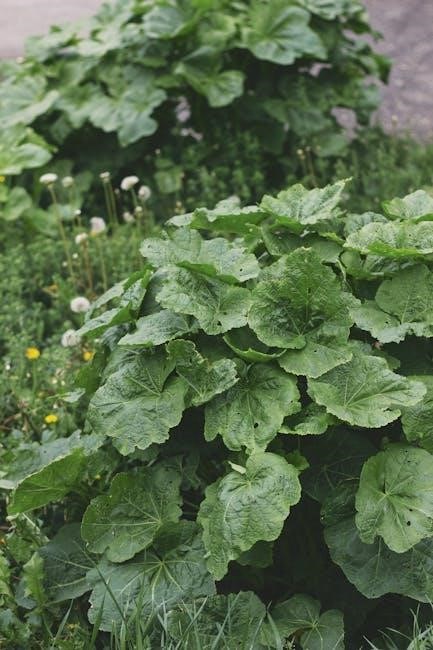
Burdock root, a fascinating find for foragers, requires careful identification using detailed field guides. This biennial plant boasts large, heart-shaped leaves and distinctive burrs. The root, typically harvested in the first year, can grow quite substantial – sometimes exceeding two feet in length!
Preparation is essential; peeling the tough outer skin reveals the edible flesh. It can be boiled, roasted, or even added to soups and stews, offering a slightly sweet and earthy flavor. Remember to positively identify Burdock before consumption, consulting reliable resources to avoid confusion with similar-looking plants.
Harvesting and Preparing Burdock Root
Optimal harvesting occurs during the first year, in fall or early spring, when the root stores maximum energy. Carefully dig around the plant, ensuring you retrieve the entire root system. Thorough cleaning is vital, removing all soil and debris. The tough outer skin must be peeled away to reveal the edible inner core.
Preparation methods vary; boiling softens the root for easier consumption, while roasting enhances its earthy flavor. Burdock can also be incorporated into soups and stews. Always cook Burdock root thoroughly before eating, and start with small portions to assess tolerance.
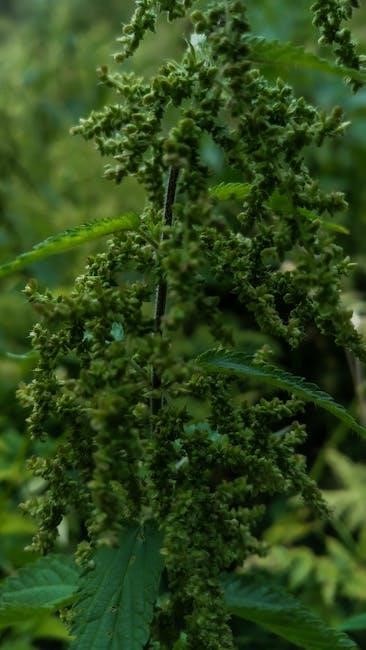
Resources for Further Learning
Expand your knowledge with comprehensive field guides and books detailing plant identification. Online foraging communities offer valuable insights and shared experiences for enthusiasts.
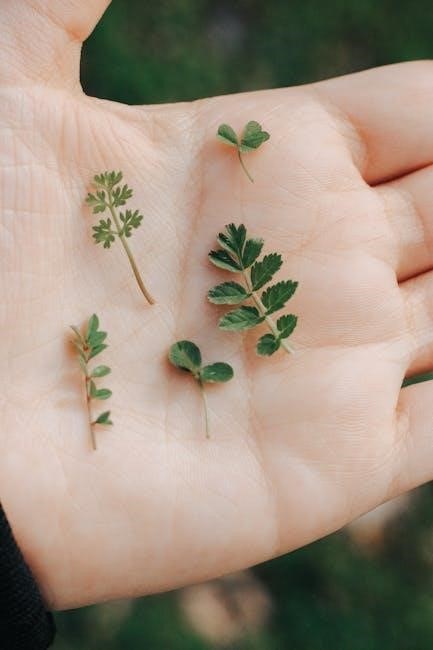
Field Guides and Books
Investing in reliable field guides is paramount for safe and successful foraging. Resources like “A Field Guide to Berries and Berrylike Fruits” by Madeline Angell expertly identify both edible and inedible berries of North America, detailing habitat and appearance.
Other comprehensive guides describe over 370 edible wild plants, alongside 37 poisonous look-alikes, utilizing 400 detailed drawings and 78 color photographs for precise species recognition. These guides also provide crucial habitat descriptions, seasonal availability lists, and preparation instructions for diverse culinary uses.
Online Foraging Communities
Engaging with online foraging communities, such as the r/foraging subreddit on Reddit, offers a dynamic learning environment. These platforms facilitate knowledge sharing, allowing beginners to access diagrams illustrating easily identifiable wild edibles.
Experienced foragers often emphasize that fewer plants are fatally poisonous than commonly believed, with most toxic varieties causing only gastrointestinal distress. Online communities reinforce the importance of focusing on “safe bet” plants with clear identification characteristics and minimal poisonous look-alikes.