
Scouting’s core values—preparedness‚ leadership‚ and service—become paramount when facing a zombie apocalypse‚ demanding adaptability and resilience for survival.
The Core Scout Values in a Zombie Apocalypse
Trustworthiness dictates honest resource assessment and team collaboration. Loyalty ensures unwavering support during crises‚ vital for maintaining morale. Helpfulness translates to aiding survivors and securing essential supplies. Friendliness fosters alliances‚ crucial for community building. Courteousness minimizes conflict‚ preserving resources. Kindness sustains hope amidst despair. Obedience to leadership streamlines decision-making. Cheerful attitudes boost resilience. Thriftiness maximizes limited resources. Brave actions confront threats. Cleanliness prevents disease. Reverence provides spiritual strength.
Understanding the Unique Challenges
The undead present unprecedented obstacles: constant threat of infection‚ resource scarcity‚ societal collapse‚ and psychological trauma. Traditional survival skills require adaptation. Navigation becomes perilous with unpredictable hordes. First aid must address unique bite wounds. Shelter building demands fortification against relentless attacks. Maintaining communication is difficult. Scouting emphasizes preparedness‚ but the scale of a zombie outbreak tests even the most seasoned scouts’ resilience and adaptability.

Essential Scouting Skills for Zombie Survival
Core scouting abilities—navigation‚ first aid‚ shelter building‚ and fire starting—are crucial for navigating a post-apocalyptic world overrun by the undead.
Navigation and Orienteering: Avoiding Hordes
Mastering map reading‚ compass skills‚ and terrain association is vital to evade large zombie groups and locate safe havens. Scouts must efficiently plan routes‚ utilizing landmarks and understanding elevation changes.
Effective orienteering minimizes encounters‚ conserves resources‚ and allows for strategic retreats. Recognizing patterns in zombie movement‚ combined with skillful navigation‚ dramatically increases survival chances.
Knowledge of local geography and the ability to adapt to changing conditions are paramount in a dynamic‚ undead-infested landscape.
First Aid and Emergency Medicine: Treating Bites & Wounds
Scouts must possess advanced first aid skills‚ focusing on wound care‚ infection prevention‚ and trauma management. Immediate treatment of bites – even seemingly minor ones – is crucial‚ though outcomes are uncertain.
Knowledge of antiseptics‚ bandages‚ splinting‚ and recognizing infection symptoms is essential. Resourcefulness in improvising medical supplies from available materials will be frequently required.
Prioritizing triage and stabilizing injured team members maximizes survival odds in chaotic situations.
Shelter Building: Fortifying Against Attacks
Scouts excel at constructing secure shelters using natural resources and salvaged materials. Prioritize locations offering defensive advantages – high ground‚ limited access points‚ and clear sightlines.
Fortification techniques include reinforcing walls‚ creating barricades‚ and establishing early warning systems. Camouflage and concealment are vital to avoid attracting unwanted attention.
Shelters must provide protection from the elements and zombie incursions‚ offering a safe haven for rest and recovery.
Fire Starting: Warmth‚ Cooking‚ and Signaling
Mastering fire starting is crucial for survival‚ providing warmth‚ a means to cook food‚ and a signal for potential allies. Scouts are trained in various methods‚ including friction-based techniques and utilizing fire starters.
Maintain a sustainable fuel source and practice fire safety to prevent accidental fires. Controlled burns can also create defensive perimeters.
Smoke signals can attract attention‚ but be mindful of attracting unwanted undead.

Gear and Equipment: The Scout’s Zombie Loadout
A well-stocked backpack‚ appropriate weaponry‚ communication tools‚ and protective gear are essential for a Scout navigating a zombie-infested world.
The Ultimate Backpack: Contents and Considerations
The ideal backpack must balance weight and essential supplies. Prioritize first-aid kits‚ non-perishable food‚ water purification tools‚ a reliable knife‚ and navigation equipment like maps and a compass.
Consider durable clothing‚ a fire starter‚ shelter materials (tarp or emergency blanket)‚ and a signaling device.
Remember‚ a lighter pack allows for greater mobility‚ crucial for evading hordes and scavenging effectively.
Weaponry: Choosing the Right Tools for the Job
Effective weaponry prioritizes silence and reliability. Melee weapons like machetes‚ axes‚ and sturdy crowbars are ideal for close-quarters combat‚ minimizing noise that attracts zombies.
Firearms should be a last resort due to ammunition limitations and the sound they generate.
Focus on maintaining weapons‚ ensuring sharpness and functionality. Improvised weapons can also prove valuable in desperate situations.
Communication Devices: Staying Connected (If Possible)
Maintaining communication is crucial‚ but challenging in a post-apocalyptic world. Two-way radios‚ utilizing pre-set frequencies‚ offer short-range communication within a scout team.
Handheld CB radios could extend range‚ but are susceptible to interference.
Prioritize battery conservation and establish clear communication protocols. Signal flares and pre-arranged visual signals serve as backup methods when technology fails.
Protective Gear: Minimizing Risk of Infection
Prioritize full-body protection to prevent zombie bites and scratches. Durable‚ layered clothing is essential‚ including thick gloves and sturdy boots.
Goggles or a face shield protect eyes from splatter.
Consider leather or reinforced materials in high-risk areas.
Maintain hygiene; regularly disinfect gear.
A well-stocked first-aid kit‚ including antiseptic wipes and bandages‚ is vital for immediate wound care and infection prevention.
Scout Team Dynamics and Leadership
Effective teamwork‚ a clear chain of command‚ and assigned roles are crucial for survival‚ ensuring coordinated efforts and maximized efficiency.
Establishing a Chain of Command
A well-defined hierarchy is non-negotiable during a crisis. Designate leaders based on skills – navigation‚ first aid‚ defense. Clear communication channels prevent confusion and ensure swift decision-making.
Empower individuals with specific responsibilities‚ fostering accountability. Regularly assess leadership effectiveness and adapt as needed. A strong command structure minimizes chaos‚ maximizes resource allocation‚ and ultimately‚ increases the team’s chances of enduring the undead threat.
Assigning Roles and Responsibilities
Divide tasks based on individual strengths: scouts for reconnaissance‚ medics for wound care‚ builders for fortifications‚ and guards for perimeter security.
Clearly define each role’s duties and reporting structure. Cross-train members for redundancy. Regularly rotate responsibilities to prevent burnout and enhance skillsets. Effective role assignment optimizes efficiency‚ minimizes wasted effort‚ and ensures all critical functions are covered‚ bolstering the group’s survival prospects.
Maintaining Morale in a Crisis
Acknowledge and address fear and trauma openly. Encourage communication and shared experiences. Implement routines and small celebrations to foster normalcy.
Focus on achievable goals and celebrate successes‚ however small. Promote teamwork and mutual support. Remember scouting’s emphasis on positive attitude and resilience. Maintaining morale is crucial; a demoralized team is a vulnerable team‚ hindering effective decision-making and survival efforts.

Zombie Behavior and Threat Assessment
Understanding zombie weaknesses‚ identifying types‚ and predicting movement patterns are vital for effective scouting and minimizing risks during encounters.
Understanding Zombie Weaknesses
Analyzing zombie physiology reveals critical vulnerabilities. Decapitation remains the most definitive method of neutralization‚ though destruction of the brain is paramount. Limited mobility and sensory perception—particularly reliance on sound and sight—offer tactical advantages.
Exploiting these weaknesses through strategic positioning‚ diversionary tactics‚ and careful noise discipline significantly enhances survival prospects. Understanding their decaying nature also informs engagement distances and potential contamination risks.
Identifying Different Zombie Types
Variations in zombie manifestation necessitate adaptable strategies. Standard shamblers exhibit slow‚ predictable movement‚ while “runners” display increased speed and aggression‚ demanding heightened awareness. Specialized types‚ like bloated or armored zombies‚ present unique challenges.
Recognizing these distinctions—based on physical characteristics and behavioral patterns—is crucial for effective threat assessment and resource allocation. Prioritizing elimination of faster‚ more dangerous variants is essential for group safety.
Predicting Zombie Movement Patterns
Zombie behavior‚ while seemingly random‚ often follows predictable patterns influenced by sound‚ light‚ and scent. Large hordes tend to gravitate towards populated areas and sources of noise‚ creating predictable travel routes.
Understanding these tendencies allows scouts to anticipate zombie movements‚ establish safe zones‚ and plan effective escape routes; Observing environmental factors and tracking herd behavior are vital skills for minimizing encounters and maximizing survival chances.
Scouting for Resources: Sustaining Survival
Securing food‚ water‚ and essential supplies is crucial; careful scavenging‚ establishing sustainable bases‚ and prioritizing safety protocols are paramount for long-term survival.
Food and Water Procurement
Sustained survival hinges on reliably sourcing nourishment. Scouts must prioritize locating potable water sources – rivers‚ wells‚ rainwater collection – and purification methods. Foraging for edible plants requires expert knowledge to avoid toxins. Establishing small-scale‚ secure gardens offers a long-term solution. Hunting‚ when feasible‚ provides protein‚ but demands caution due to noise attracting undead. Rationing existing supplies and preserving food through drying or canning are vital skills‚ ensuring the team’s continued strength and resilience against the ongoing threat.
Scavenging for Supplies: Safety Protocols
Scouting parties must adhere to strict protocols during supply runs. Prioritize reconnaissance to assess zombie density and potential escape routes. Employ the buddy system‚ maintaining constant communication. Designate a lookout and establish clear entry/exit strategies. Minimize noise and avoid attracting attention. Thoroughly search buildings systematically‚ focusing on essential resources – food‚ medicine‚ tools. Always assume a location is compromised and prepare for immediate extraction. Decontamination procedures upon return are crucial to prevent infection spread.
Establishing a Sustainable Base
A secure‚ sustainable base is vital for long-term survival. Prioritize defensibility – natural barriers‚ reinforced structures. Implement layered defenses: perimeter alarms‚ obstacles‚ fortified entry points. Focus on resource independence: water purification‚ food production through agriculture‚ renewable energy sources. Establish waste management systems to prevent disease. Rotate guard duty and maintain constant vigilance. A well-organized base fosters morale and provides a sanctuary against the relentless undead threat.
Advanced Scouting Techniques
Mastering reconnaissance‚ trap setting‚ and diversion tactics are crucial for evading hordes‚ securing resources‚ and creating safe passage for the scout team.
Reconnaissance and Surveillance
Effective scouting hinges on meticulous reconnaissance. Scouts must employ stealth and observation to map zombie concentrations‚ identify safe routes‚ and locate vital resources. Utilizing elevated positions provides broader perspectives‚ while minimizing noise and visual signatures is paramount. Detailed reports‚ including zombie movement patterns and potential hazards‚ are essential for informed decision-making.
Prioritize establishing observation posts and utilizing communication to relay critical intelligence back to the team‚ ensuring a proactive approach to threat assessment and avoidance.
Trap Setting and Defense Strategies
Scouts excel at utilizing the environment for defense. Constructing barriers‚ tripwires‚ and diversionary tactics can slow or redirect zombie hordes. Pitfalls‚ sharpened stakes‚ and noise-making devices offer effective‚ low-resource solutions. Fortifying shelters with multiple layers of defense is crucial‚ focusing on choke points and escape routes.
Regularly inspect and maintain traps‚ adapting strategies based on zombie behavior and resource availability. Prioritize early warning systems to maximize response time.
Creating Diversions and Escape Routes
Scouts must plan multiple escape routes from any location‚ considering terrain and potential zombie concentrations. Diversions‚ like loud noises or strategically placed fires‚ can draw hordes away from critical areas‚ buying valuable time. Utilizing smoke screens or creating false trails can further enhance evasion.
Pre-established rally points and communication signals are vital for regrouping after separation. Regularly scout and update escape routes‚ accounting for changing conditions.
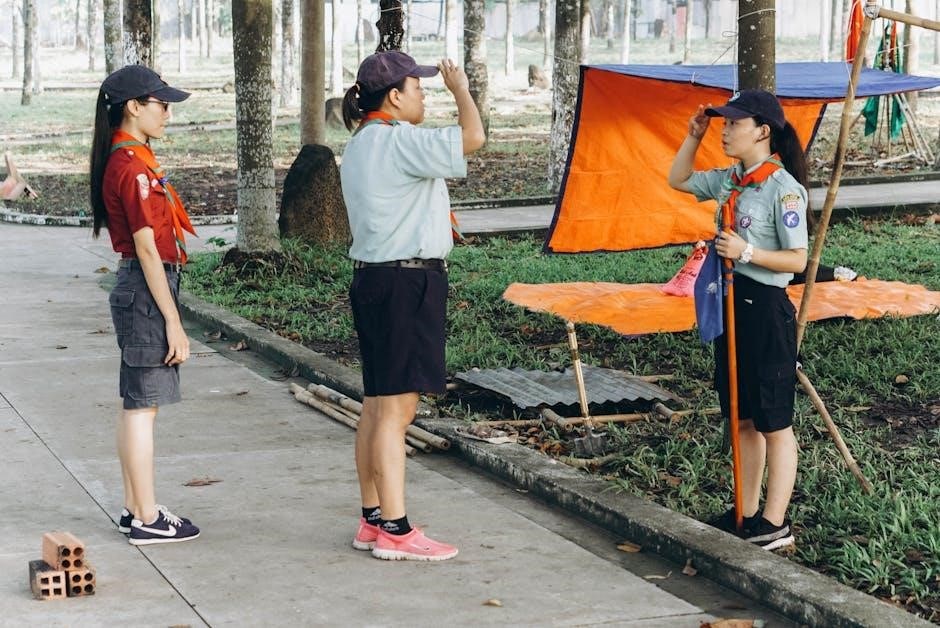
The Psychological Impact of the Apocalypse
Maintaining mental resilience amidst trauma is crucial; scouts must support each other‚ acknowledge fears‚ and focus on collective survival strategies.
Dealing with Fear and Trauma
The zombie apocalypse presents relentless psychological stressors. Scouts must acknowledge and process fear‚ utilizing buddy systems for emotional support. Trauma responses are normal; open communication and shared experiences foster resilience.
Leadership should prioritize mental wellbeing alongside physical safety‚ encouraging debriefing and recognizing signs of distress. Focusing on achievable tasks and maintaining routines provides a sense of control.
Remembering scouting’s values—courage‚ compassion—can bolster morale and aid in navigating the emotional landscape of a devastated world.
Maintaining Mental Resilience
Mental fortitude is crucial for long-term survival. Scouts should practice mindfulness and focus on the present moment‚ mitigating anxiety about the future. Establishing personal rituals—even small ones—provides stability.
Regular physical exercise‚ despite the circumstances‚ releases endorphins and combats stress. Cultivating a positive outlook‚ while realistic‚ can significantly impact morale.
Remembering past successes and focusing on strengths builds confidence and reinforces the ability to overcome adversity.
Supporting Team Members
A cohesive team is vital; actively listen to concerns and acknowledge the emotional toll of the apocalypse. Encourage open communication and create a safe space for vulnerability.
Recognize signs of trauma – withdrawal‚ nightmares‚ or heightened anxiety – and offer support‚ not judgment. Share responsibilities equitably to prevent burnout and foster a sense of shared purpose.
Celebrate small victories and maintain a spirit of camaraderie to bolster morale and strengthen bonds.
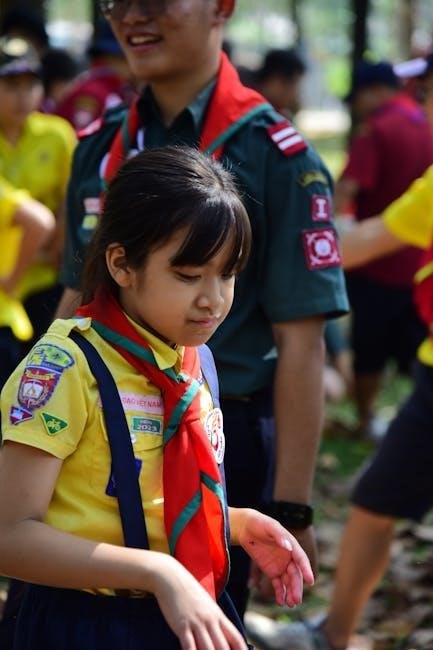
Long-Term Survival Strategies
Establishing a self-sufficient community with sustainable agriculture is crucial for rebuilding society‚ leveraging scouting skills for a brighter future.
Establishing a Community
Post-apocalypse‚ a thriving community hinges on shared skills and collaborative effort. Scouts‚ trained in leadership and teamwork‚ are uniquely positioned to foster this. Prioritize resource allocation‚ defense strategies‚ and clear communication protocols.
Focus on rebuilding essential services – sanitation‚ food production‚ and medical care – while upholding scouting values of integrity and service. A strong community offers resilience against external threats and internal strife‚ ensuring long-term survival and a foundation for societal rebirth.
Developing Sustainable Agriculture
Long-term survival demands moving beyond scavenging to establish reliable food sources. Scouts should leverage their outdoor skills to cultivate sustainable agriculture‚ focusing on resilient crops and efficient land use.
Implement crop rotation‚ composting‚ and water conservation techniques. Animal husbandry‚ if feasible‚ provides protein. Protecting these resources from zombies and raiders is crucial‚ requiring fortified perimeters and vigilant patrols. A self-sufficient food supply ensures community independence and future prosperity.
Rebuilding Society: A Scout’s Role
As the immediate threat subsides‚ Scouts are uniquely positioned to lead societal reconstruction. Their emphasis on civic responsibility and community service translates directly into rebuilding infrastructure and establishing governance.
Focus on education‚ sanitation‚ and resource management. Scouts can organize workforces‚ mediate disputes‚ and foster cooperation. Upholding Scout values—trustworthiness‚ loyalty‚ and helpfulness—will be vital in establishing a just and sustainable new world order‚ ensuring a brighter future.
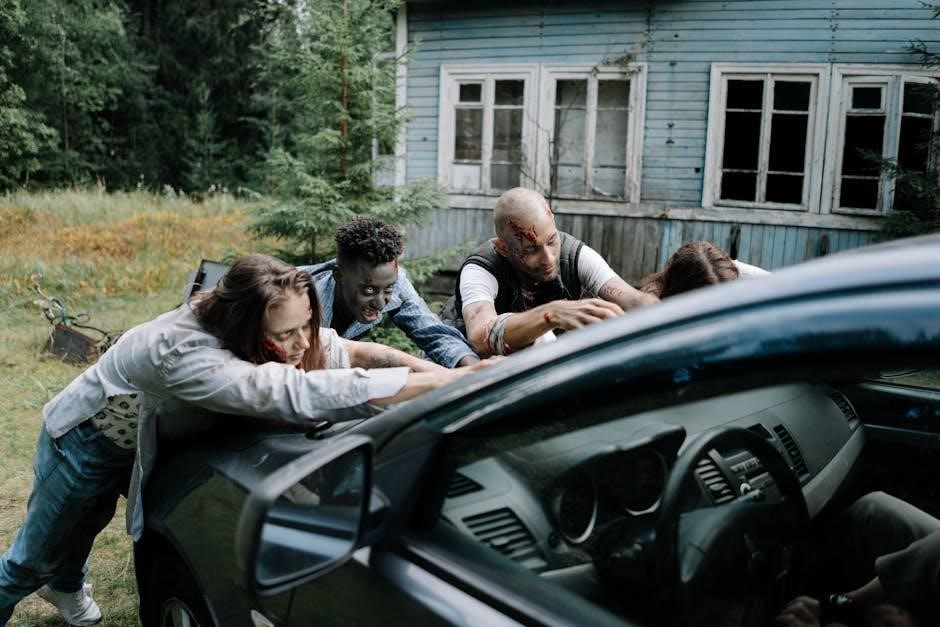
Eagle Scout Status & its Benefits
Achieving Eagle Scout demonstrates exceptional leadership and preparedness‚ skills invaluable during societal collapse and reconstruction efforts post-apocalypse.
The Highest Rank in Scouting
Earning the Eagle Scout rank signifies a scout’s dedication‚ leadership‚ and mastery of scouting skills—crucial assets in a zombie-infested world. This prestigious achievement‚ the most important within Boy Scouts‚ showcases commitment to service and personal development. Eagle Scouts are often resourceful‚ disciplined‚ and capable of leading others‚ qualities essential for establishing safe zones‚ organizing scavenging parties‚ and rebuilding communities. The rigorous requirements instill resilience and problem-solving abilities‚ vital for navigating the challenges of a post-apocalyptic landscape.
Professional Advantages of Eagle Scout Certification
Beyond the apocalypse‚ Eagle Scout certification demonstrates valuable traits highly sought after by employers—leadership‚ problem-solving‚ and a strong work ethic. These skills translate directly into effective team management during resource gathering or base fortification. The discipline and commitment required to achieve this rank signal reliability and dedication‚ essential for maintaining order and morale. An Eagle Scout’s proven ability to overcome obstacles proves invaluable when rebuilding society‚ offering a distinct advantage in a chaotic world.
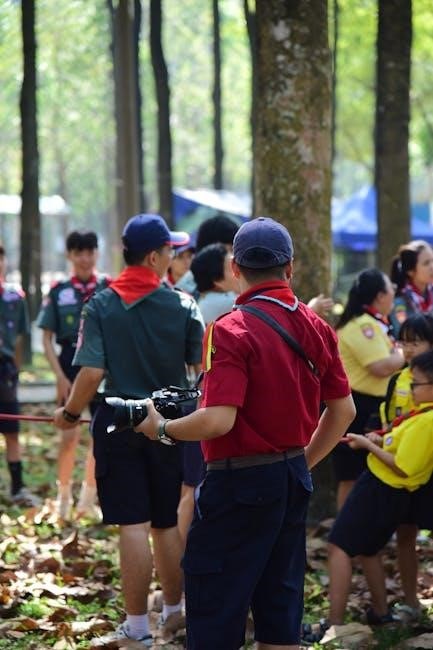
Scout Rallies and Historical Context
The 1909 Crystal Palace Rally showcased Scouting’s early organizational power‚ a foundation for future collaboration and coordinated responses to crises.
The 1909 Crystal Palace Rally
Held in London‚ the 1909 Crystal Palace Rally was a monumental event‚ gathering 11‚000 Boy Scouts – and even some pioneering Girl Scouts – in uniform. This demonstration of organized youth showcased Scouting’s burgeoning influence and ability to mobilize.
The rally wasn’t merely a display of numbers; it symbolized the movement’s potential for collective action and discipline‚ skills crucial for any large-scale emergency‚ even one involving the undead.
Formation of Scout Organizations
Following the success of early Scouting initiatives‚ both local and national organizations rapidly emerged. These groups provided a structured framework for implementing the Scouting program and expanding its reach to more young people.
This organizational structure is vital for coordinating responses during a crisis‚ like a zombie outbreak‚ enabling efficient resource allocation‚ communication‚ and the establishment of safe zones.

Religious Scouts and their Values
Faith-based Scout groups‚ like the Kings Scouts‚ emphasize spiritual grounding and moral strength‚ offering resilience and hope amidst apocalyptic challenges.
Kings Scouts: Christian Scouting
The Kings Scouts‚ rooted in the Evangelical Lutheran Church‚ integrate faith into the Scouting experience‚ fostering a strong moral compass for members. This foundation provides a unique perspective during a crisis‚ emphasizing service‚ compassion‚ and unwavering hope. Their religious commitment encourages resilience and a dedication to supporting others‚ even—and especially—in the face of overwhelming adversity. This spiritual grounding can be a powerful asset when navigating the ethical dilemmas and psychological strains of a zombie apocalypse‚ offering solace and purpose.
The Role of Faith in Survival
During a catastrophic event like a zombie apocalypse‚ faith can serve as a crucial psychological anchor‚ providing comfort and meaning amidst chaos. It fosters hope‚ resilience‚ and a sense of community‚ bolstering morale when facing seemingly insurmountable odds. Belief systems can inspire selfless acts of service and sacrifice‚ strengthening bonds within a survival group. For those with faith‚ it offers a framework for understanding suffering and finding strength in adversity‚ aiding mental fortitude.
The Global Scouting Movement
Scouting‚ impacting over 500 million youths‚ cultivates active citizenship‚ builds friendships‚ and equips individuals with essential life skills for any challenge.
Scouting as a Youth Development Program
Scouting fosters personal growth through adventure‚ skill-building‚ and community engagement‚ preparing young people for life’s complexities. It emphasizes character development‚ citizenship‚ and leadership‚ equipping scouts with practical abilities and a strong moral compass. This holistic approach cultivates resilience‚ problem-solving skills‚ and a sense of responsibility—qualities invaluable in navigating any crisis‚ promoting active participation and positive societal contributions.
Impact of Scouting on Active Citizenship
Scouting instills a commitment to service and community involvement‚ encouraging scouts to become responsible and engaged citizens. Through participation in service projects and leadership roles‚ scouts learn the importance of contributing to the greater good. This fosters a sense of civic duty‚ promoting active participation in democratic processes and a dedication to building a stronger‚ more resilient society for all.