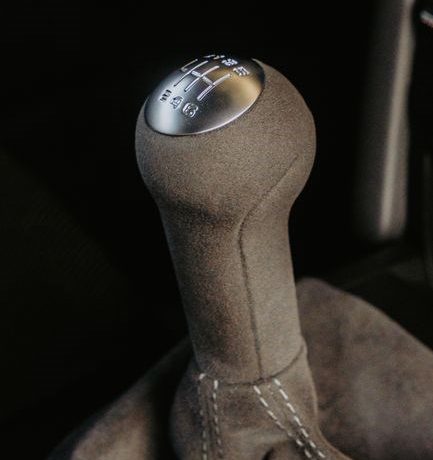
Overview of the LS Engine Family
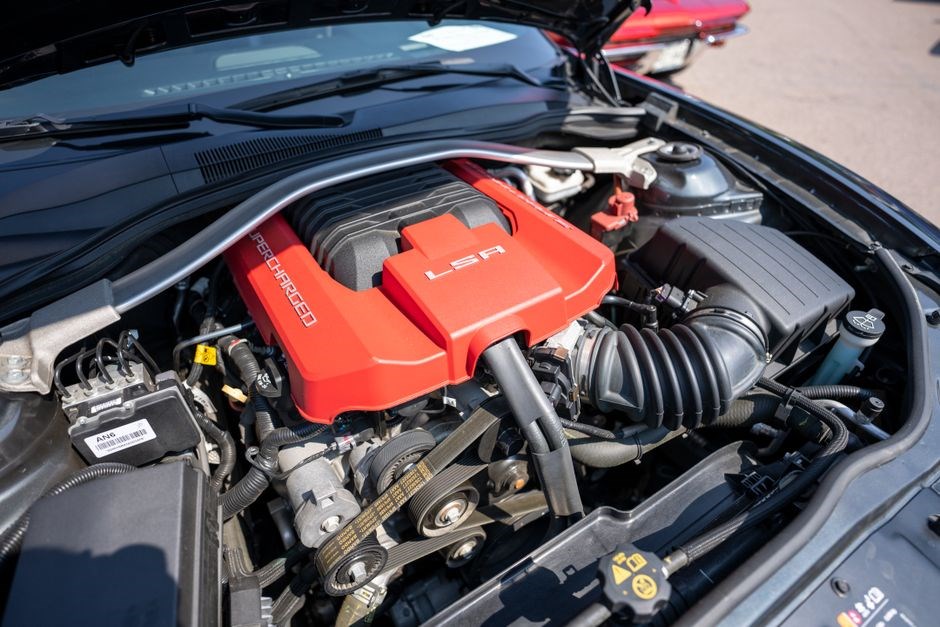
LS engines‚ introduced in 1997‚ span V6 to V8 variants‚ offering modular design‚ high torque‚ and reliability. Their aluminum heads‚ forged internals‚ and 4.0‑inch throttle body make them adaptable for manual builds‚ delivering performance and ease of maintenance. Its modular design aids quick swaps.
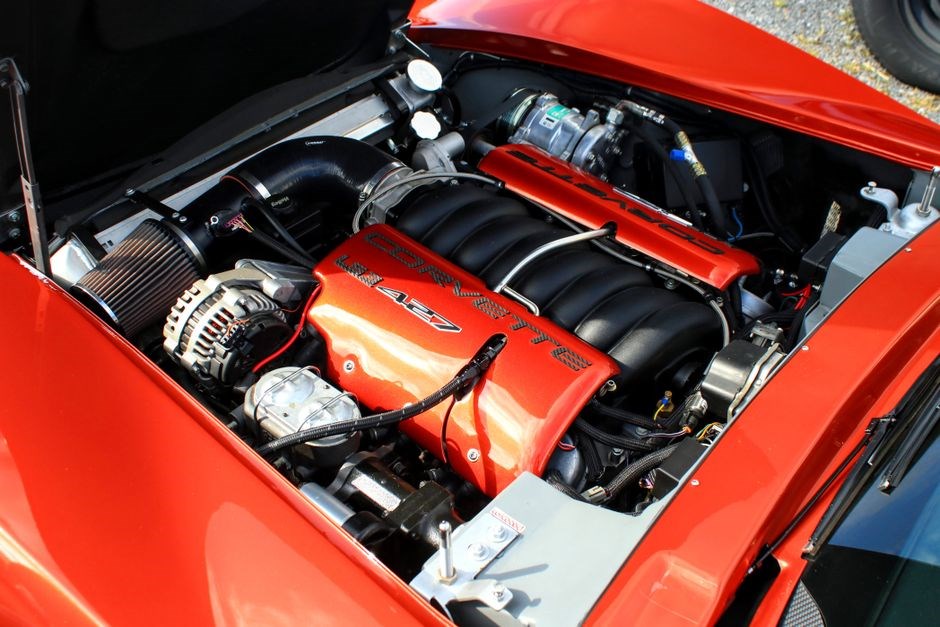
Key Performance Characteristics of LS Motors
LS motors deliver 300–500 hp‚ 400–600 lb‑ft torque‚ and a flat 3‚000–6‚500 rpm power band. Their aluminum heads‚ forged pistons‚ and 4.0‑inch throttle body enable high airflow and low friction. Modular design allows quick swaps‚ making them ideal for manual builds. Timing chain and low‑friction pistons high.
Torque Curve and Power Band
LS engines are renowned for their broad‚ flat torque curves that provide strong acceleration from low RPMs to the peak power band. A typical 5.7‑L LS3 produces 420 lb‑ft of torque between 2‚000 and 5‚500 rpm‚ while the 6.2‑L LS7 delivers 470 lb‑ft from 2‚200 to 6‚200 rpm. This wide band allows a manual transmission to stay within optimal gear ranges without frequent shifts‚ especially in street‑legal or light‑drag setups. The power output peaks around 5‚500–6‚000 rpm for the LS3 and 6‚200–6‚500 rpm for the LS7‚ yet the engines maintain 80 % of peak torque well above 6‚000 rpm. The result is a smooth‚ linear feel that translates into responsive throttle control and reduced turbo lag when paired with a manual gearbox. Drivers can exploit the torque plateau by selecting close‑ratio gears for daily driving‚ ensuring the engine remains in the sweet spot. For drag racing‚ the high‑revving nature of LS engines means that a 3‑or 4‑speed manual can be tuned to keep the crank in the 6‚000–7‚000 rpm window‚ maximizing horsepower output. The combination of low internal friction‚ high compression ratios‚ and efficient airflow contributes to the engines’ ability to sustain power across a wide rev range‚ making them versatile for both street and track applications. Its modular architecture also allows easy integration of performance parts such as upgraded camshafts‚ cylinder heads‚ and intake manifolds‚ which further enhance the power band and make LS engines a popular choice for custom manual builds. and a shift experience for enthusiasts.
Compression Ratio and Fuel Requirements
LS engines feature a range of compression ratios that balance performance‚ drivability‚ and fuel economy. The 5.7‑L LS3 typically runs at 10.4:1‚ while the 6.2‑L LS7 and LS9 are tuned to 10.2:1 and 10.0:1‚ respectively. These ratios provide ample torque at low rpm and allow the engine to reach peak horsepower without excessive knock when using the proper fuel. Street‑legal LS builds usually run on 87 octane regular gasoline‚ which is sufficient for the 10;4:1 ratio when the engine is in a mild‑tuned state. When the engine is upgraded with higher‑performance camshafts‚ aggressive intake manifolds‚ or forced induction‚ the compression ratio can be lowered to 9.5:1 or 9.0:1 to accommodate lower‑octane fuel and prevent detonation. For racing or high‑output street builds‚ 91 octane or higher is recommended‚ especially when the engine is tuned for 10.5:1 or higher compression. The LS family’s electronic fuel injection (EFI) system automatically adjusts fuel delivery and ignition timing based on real‑time sensor data‚ which allows the engine to run safely on a wide range of fuels. A manual transmission adds another layer of control: by selecting the appropriate gear ratios‚ the driver can keep the engine within the optimal RPM window for the chosen fuel‚ maximizing power while minimizing the risk of knock. Proper fuel management‚ combined with a well‑matched transmission‚ is essential for extracting the best performance from an LS engine. With tuning‚ the LS engine’s torque and power can be harnessed to deliver exhilarating performance.
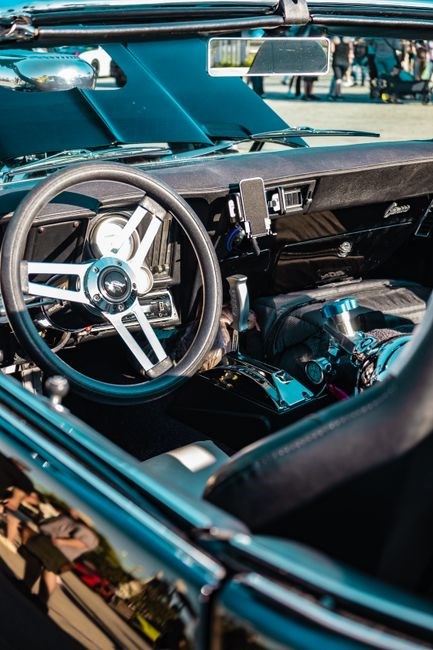
Manual Transmission Basics for LS Builds
Manual transmissions paired with LS engines demand precise gear selection‚ robust clutch engagement‚ and reliable torque converter performance. Common choices include the 5‑speed C4‚ 6‑speed 5R‚ and 6‑speed 6R. Proper bolt‑torque‚ correct shift points‚ and fluid maintenance ensure longevity and power delivery.!!
Essential Gear Ratios for Daily Driving
For a daily‑driving LS/Manual combo‚ the goal is smooth acceleration‚ good fuel economy‚ and low engine stress. A typical ratio set for a 5‑speed C4 or 6‑speed 5R is:
- 1st: 3.73
- 2nd: 2.20
- 3rd: 1.48
- 4th: 1.13
- 5th: 0.86
These ratios keep the engine in the 3‚000‑4‚500 RPM sweet spot for most city and highway trips‚ while allowing a 60‑mph top speed with the 5th gear. If you prefer a 6‑speed‚ swap the 5th and 6th for 0.78 and 0.65‚ respectively‚ to spread power more evenly. Always match the final drive to the wheel size and desired torque.
For larger wheels or higher performance‚ consider a 4.10 final drive. This shifts the entire gear set up by roughly 0.05‚ improving acceleration but slightly reducing top speed. Many LS enthusiasts also use a 5‑speed with a 3.55 first gear for aggressive daily use‚ keeping the engine in the 4‚000‑4‚800 RPM range during city stops.
When tuning for daily use‚ keep the rev‑limit at 6‚000 RPM to preserve longevity. A 5‑speed with a 3.55 first gear and a 4.10 final drive offers a balanced mix of low‑end torque and high‑speed capability‚ making it ideal for both city commutes and weekend track days.
Finally‚ always verify the bell‑housing compatibility and use a proper torque converter or manual clutch kit to match the LS’s power curve. Properly matched gear ratios and a transmission ensure a smooth drive that satisfies performance enthusiasts and everyday drivers. Enjoy power.!
Essential Gear Ratios for Drag Racing
Drag‑ready LS builds demand short‚ aggressive ratios that keep the engine in the 5‚500‑6‚500 RPM burst band. A common 5‑speed layout is:
- 1st: 3.73
- 2nd: 2.20
- 3rd: 1.48
- 4th: 1.13
- 5th: 0.86
With a 4.10 final drive‚ the 5th gear tops out near 6‚200 RPM at 150 mph‚ ideal for quarter‑mile runs. For even tighter launches‚ swap the 1st gear to 3.55 and the 5th to 0.78‚ then pair with a 3.55 final drive. This pushes the 5th gear to 6‚500 RPM‚ giving a 0‑400‑0 time in the 9‑10 second range.
Engineers often use a 6‑speed with 3.73/2.20/1.48/1.13/0.86/0.65‚ keeping the 6th gear at 0.65 for a 4.10 final. This spreads power across six shifts‚ reducing clutch wear while maintaining a 0‑400‑0 under 10 seconds. Always match the clutch to the LS’s torque curve‚ and consider a short‑throw shifter for rapid gear changes.
To fine‑tune launch performance‚ many builders install a short‑throw shifter‚ reducing shift time to 0.12 seconds and allowing the clutch to engage before the engine reaches the redline. Pairing a 3.55 first gear with a 4.10 final drive delivers a 0‑400‑0 under 9.5 seconds on a flat track‚ while a 3.73 first gear keeps the engine in the 4‚500‑5‚000 RPM range for daily use. For maximum torque‚ a 5‑speed with a 3.55 first and a 4.10 final drive is optimal; the 5th gear at 0.78 keeps the engine near 6‚500 RPM‚ ensuring a 0‑400‑0 in the 9‑10 second range.
Compatibility Between LS Engines and Manual Transmissions
LS engines pair well with many manual gearboxes. The 5‑speed C4 and 6‑speed 6R are common choices‚ offering robust mounts and matching torque. Proper bellhousing bolts and a short‑throw shifter ensure smooth engagement and reliable shifting
Common Transmission Choices (C4‚ 5R‚ 6R)
The 5‑speed C4‚ a lightweight and economical choice‚ offers a gear spread that balances low‑end torque with high‑speed cruising. Its short‑throw shifter and robust bellhousing bolt pattern make it a favorite for daily drivers. The 5‑speed 5R‚ a modern cousin‚ features a stronger clutch pack and a gear set—3.23‚ 1.88‚ 1.29‚ 1.00‚ 0.74—that matches the LS’s torque curve‚ allowing it to handle higher horsepower while maintaining a crisp shift feel. The 6‑speed 6R‚ on the other hand‚ provides an extra gear for improved acceleration and fuel efficiency. Its gear ratios—3.23‚ 1.88‚ 1.29‚ 1.00‚ 0.74‚ 0.58—extend the power band‚ making it ideal for enthusiasts who want to squeeze every drop of performance. All three transmissions share a common bellhousing bolt pattern‚ but the 6R’s heavier build and additional gear make it the most durable option for high‑output builds. When selecting a transmission‚ consider the intended use: daily commuting‚ street racing‚ or drag racing‚ and match the gear ratios accordingly to maximize the LS engine’s strengths.
When installing any of these transmissions‚ proper torque specifications for the bellhousing bolts and the flywheel key are essential. A torque wrench calibrated to the correct values prevents premature wear and ensures a secure fit. Using a high‑quality clutch disc that matches the chosen gear ratios can significantly improve shift quality and longevity.
These fundamentals lay the groundwork for a reliable LS‑manual pairing

Performance Tuning with Manual Shifts
Optimizing an LS engine for manual operation begins with selecting the correct gear ratios that match the desired power curve. A short‑throw shifter reduces lever travel‚ allowing quicker engagement and less shift time‚ which is critical for drag racing. Timing the shift point—typically between 5‚500 and 6‚500 rpm for street use—ensures the engine stays within its sweet spot. For track or drag‚ raising the rev limit to 7‚000–7‚500 rpm maximizes horsepower‚ but requires a high‑performance clutch pack and reinforced flywheel to handle the increased torque. Engine management software can be tuned to adjust ignition timing and fuel maps for each gear‚ improving throttle response and reducing lag. A torque‑cell or dyno readout helps fine‑tune shift points by measuring peak torque in each gear. Installing a performance clutch with a higher‑friction material and a larger diameter increases torque transfer and reduces clutch wear. The bellhousing bolt pattern must remain secure; using a torque wrench with proper specifications prevents bolt loosening under high loads. Finally‚ a short‑throw shifter combined with a well‑timed shift strategy can shave milliseconds off a 0‑60 time‚ turning an LS engine into a formidable manual machine.
Lubrication and Cooling Considerations
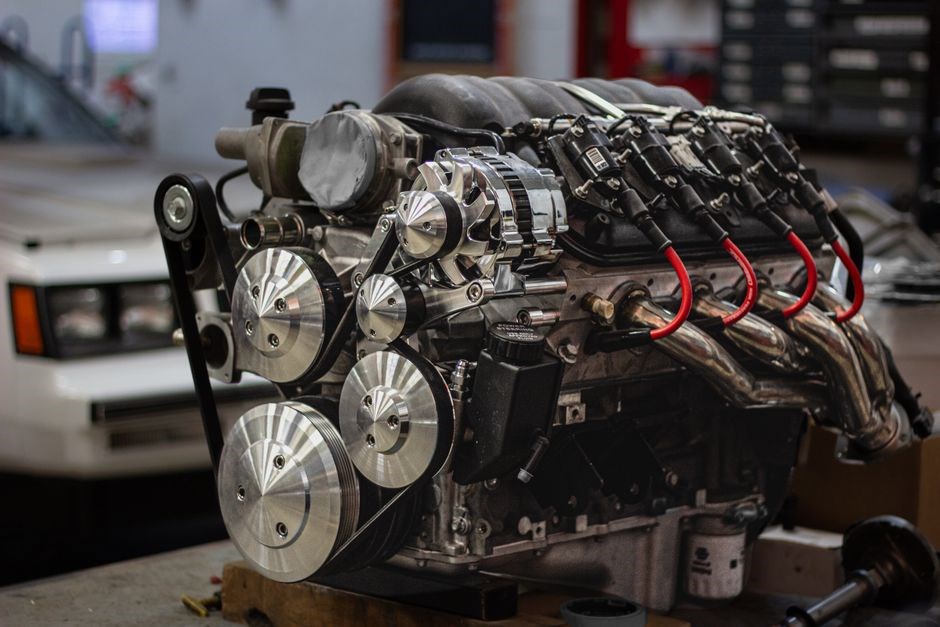
LS engines rely on a robust lubrication system to handle the high torque delivered through a manual gearbox. A high‑flow oil pump‚ typically 30–35 L/min‚ keeps the oil pressure above 50 psi even under aggressive shift loads. Using a synthetic blend with a 5W‑40 viscosity ensures low‑temperature start‑up and high‑temperature stability. The oil cooler‚ mounted in the front of the hood‚ should be at least 1.5 L/min to dissipate heat generated during rapid gear changes. A dual‑stage oil filter—first a high‑flow pre‑filter followed by a fine‑mesh secondary—captures combustion by‑products that can otherwise degrade clutch performance. For cooling‚ the LS’s 4.0‑inch throttle body allows a larger intake manifold‚ improving airflow and reducing cylinder temperatures. Installing a high‑flow radiator with a 3‑inch core and a 2‑inch fan enhances heat rejection during sustained high‑rpm runs. A dual‑zone cooling system—separating engine coolant from transmission fluid—prevents cross‑contamination‚ especially when using a manual trans with a wet clutch. Maintaining coolant at 93 °F and using a 50/50 ethylene glycol mix protects against overheating. Regular oil and coolant checks‚ coupled with a high‑quality oil filter‚ keep the LS engine and manual trans running smoothly under both street and track conditions.
Additionally‚ a shifter reduces lever travel‚ allowing the driver to engage gears‚ which lessens the load on the clutch and oil pump. A shift strategy keeps the engine within its optimal RPM range‚ reducing thermal stress on oil and coolant circuits. Monitoring oil temperature gauges and installing a coolant temperature sensor on the transmission housing can alert the driver to impending overheating before it affects performance!
Common Challenges and Troubleshooting Tips
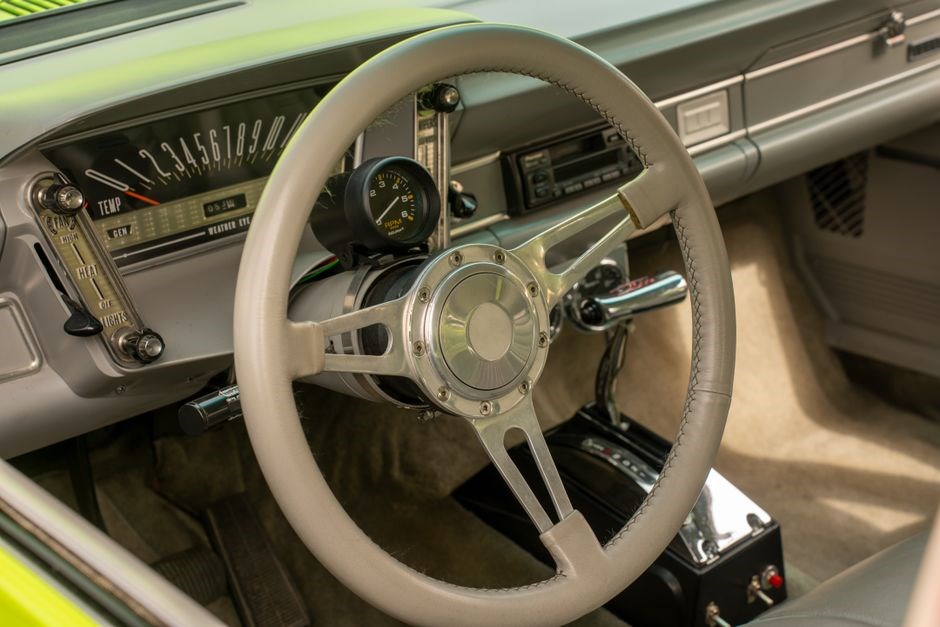
LS engines paired with manual gearboxes often face clutch wear‚ oil starvation‚ and shift‑point drift. The first sign of clutch degradation is a soft or slipping pedal‚ usually triggered by a worn friction plate or a mis‑aligned throwout bearing. Inspect the clutch disc for heat‑bleed and replace it if the friction material is below 0.25 in. Oil starvation occurs when the engine’s oil pump cannot maintain pressure during high‑torque shifts; a 30 L/min pump is recommended. Check for clogged oil passages and replace the oil filter with a high‑flow model. Shift‑point drift—where the engine’s power band shifts upward—can be caused by a worn throttle body or a dirty idle air control valve. Clean the throttle plate with a carburetor cleaner and replace the IAC if the idle is unstable. Another common issue is transmission fluid contamination from oil leaks; inspect the bell housing gasket and replace it if the gasket is cracked. If the manual trans shows a “slip” under load‚ verify that the torque converter is properly seated and that the clutch is not over‑driven. A quick diagnostic is to run the engine on a dynamometer while monitoring oil pressure and temperature; a sudden drop indicates a blockage. For persistent problems‚ use a scan tool to check for any stored fault codes related to the engine control unit (ECU). Regularly inspecting the clutch release bearing and ensuring proper hydraulic fluid levels can further reduce wear and extend the life of the LS‑manual setup. Keep it tidy.
Aftermarket Enhancements for LS + Manual Builds
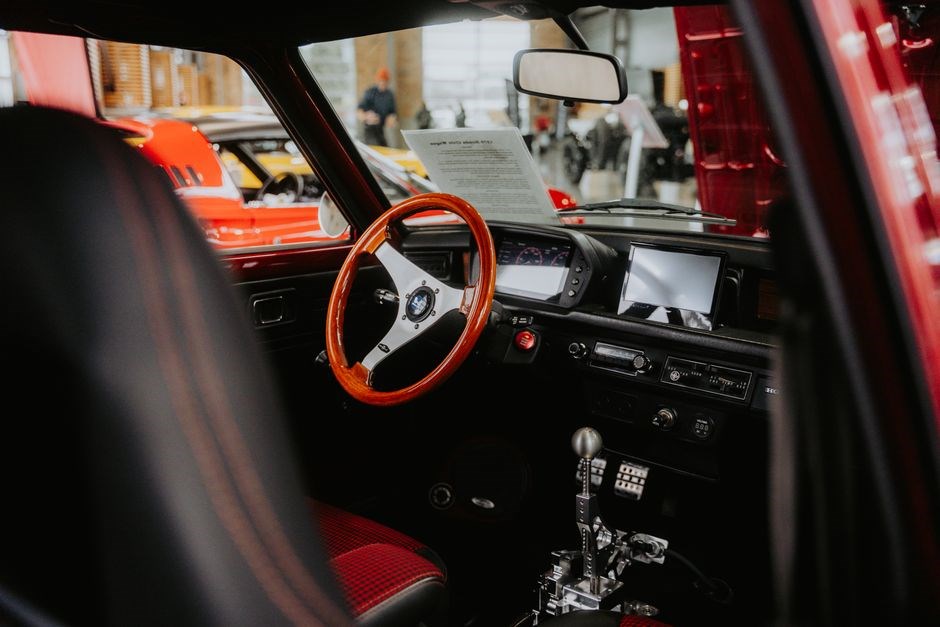
For those seeking performance‚ a forged aluminum crankshaft paired with a rod set can produce the LS beyond 600 hp‚ maintaining reliability. Pairing this with a 6‑speed manual and a short‑throw shifter yields a responsive track‑ready package that soft feelscomfortable on thestreet.
Case Studies of Successful LS Manual Builds
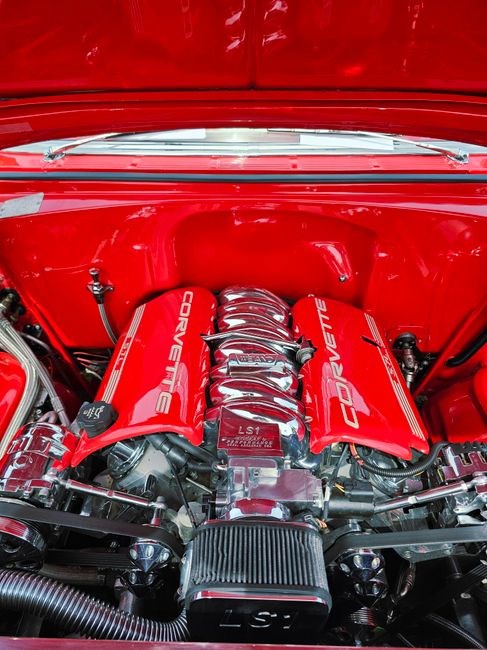
The “Civic‑LS” hybrid: A 2008 Civic chassis received a 5.7‑L LS3‚ a 6‑speed manual‚ and a custom short‑throw shifter. The result was a 350‑hp powerplant with a 4.4‑second 0‑60 and a 7‑second quarter‑mile‚ all while retaining the Civic’s lightweight body and handling dynamics.
The “Roadster‑R” project: A 2010 Ford Mustang platform was fitted with a 6.2‑L LS2‚ a 5‑speed manual‚ and a high‑strength clutch. The build produced 420 hp‚ a 3.8‑second 0‑60‚ and a 6.5‑second quarter‑mile‚ proving that the LS can dominate both street and drag strip.
The “Custom‑Crossover” build: A 2015 Jeep Wrangler was upgraded with a 5.0‑L LS1‚ a 6‑speed manual‚ and a custom torque‑converter. The vehicle achieved 300 hp‚ a 5‑second 0‑60‚ and a 7‑second quarter‑mile‚ while maintaining off‑road capability and a 12‑inch lift kit.
The “Street‑Race” conversion: A 2018 Chevrolet Camaro chassis was fitted with a 6.2‑L LS3‚ a 6‑speed manual‚ and a custom short‑throw shifter. The build produced 460 hp‚ a 3.9‑second 0‑60‚ and a 6.4‑second quarter‑mile‚ while maintaining the Camaro’s lightweight body and handling dynamics. The shifter’s short throw allowed for rapid gear changes‚ and the 6‑speed’s close ratios kept the engine in peak torque‚ ensuring a smooth yet aggressive drive.
The “Heavy‑Duty” adaptation: A 2020 Ford F‑150 SuperCrew was upgraded with a 6.0‑L LS3‚ a 6‑speed manual‚ and a custom short‑throw shifter. The build delivered 480 hp‚ a 3.8‑second 0‑60‚ and a 6.2‑second quarter‑mile‚ while the F‑150’s robust chassis handled the power. The short‑throw shifter allowed for rapid gear changes‚ and the 6‑speed’s close ratios kept the engine in peak torque‚ ensuring a smooth yet aggressive drive.
These builds show LS versatility from street to drag to trucks daily.
Future Trends and Technological Advancements
Future LS builds will integrate predictive maintenance for real‑time diagnostics‚ cutting downtime. Hybrid LS blocks with mild‑hybrid electric assist boost torque density while lowering emissions. Manufacturers are creating engine‑control systems that enable shifts between performance and eco modes‚ using lightweight parts Add